In Singapore, unpaid debts can be a major concern for both businesses and individuals. One of the most effective first steps in debt recovery is issuing a Letter of Demand (LOD). Understanding what a LOD is, when to use it, and how to draft it effectively can significantly increase the chances of recovering your money without resorting to legal proceedings.
A Letter of Demand is a formal written notice sent by a creditor to a debtor requesting payment of an outstanding debt or performance of a contractual obligation. It acts as a formal warning before legal action is initiated and demonstrates that the creditor has made a genuine effort to resolve the matter amicably.
Though not legally required, issuing a LOD is widely regarded as a professional and essential step in the debt recovery process. Courts in Singapore also consider whether a LOD has been issued when evaluating a creditor’s case.
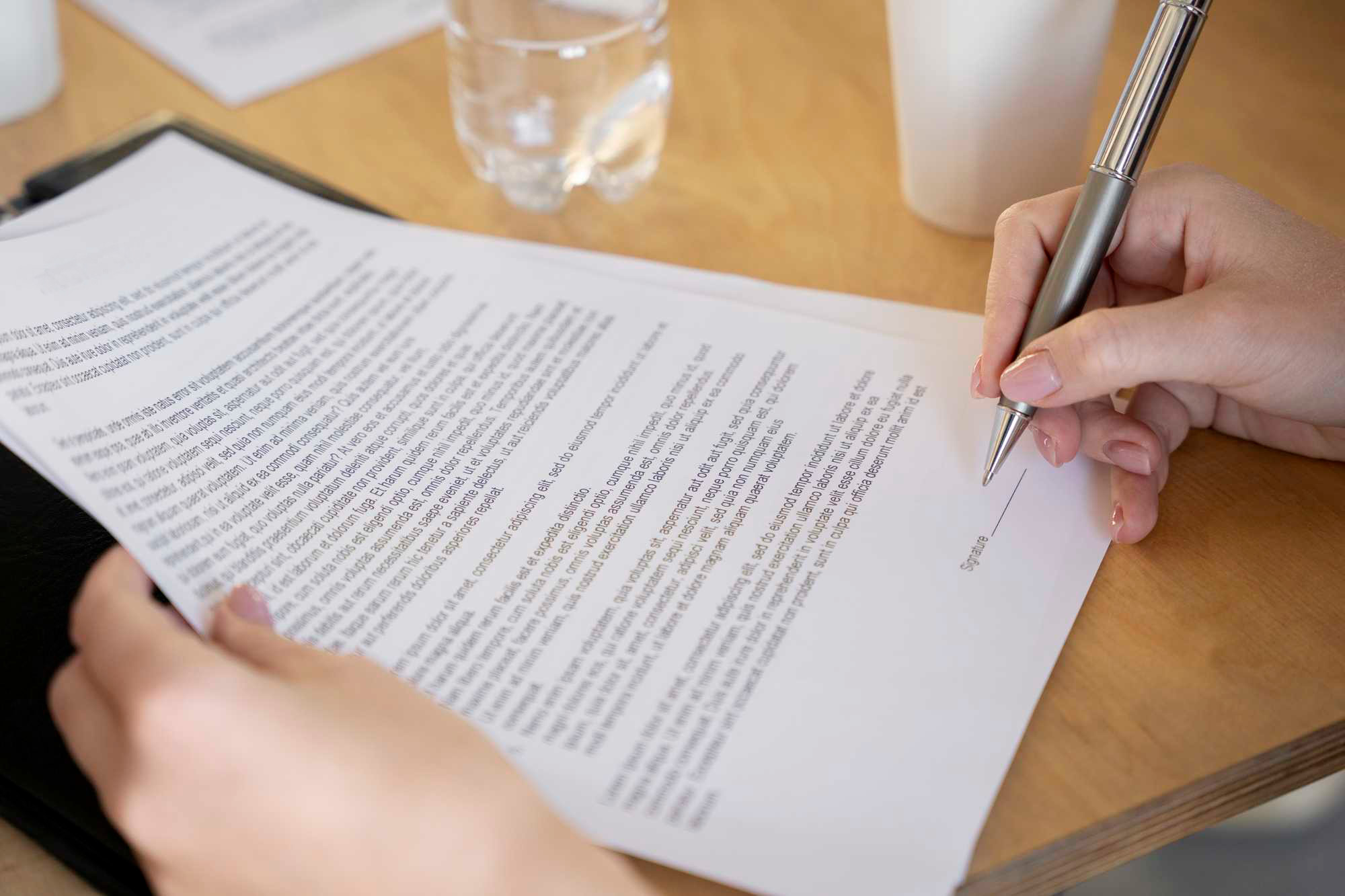
The primary purpose of a Letter of Demand is to encourage prompt payment by formally reminding the debtor of their outstanding obligation. It also serves as legal evidence should the matter escalate to court, demonstrating that the creditor made genuine efforts to resolve the issue before taking legal action. In addition, a LOD clarifies the debt amount, due date, and contractual obligations, helping to prevent misunderstandings between the parties. Often, it motivates debtors to negotiate repayment plans, allowing disputes to be resolved without costly litigation. By clearly communicating seriousness and urgency, a Letter of Demand can also deter non-payment and strengthen the creditor’s position if further legal action becomes necessary.
A Letter of Demand isn’t limited to overdue invoices — it’s also used for breach of contract, unpaid rent, unrepaid personal or corporate loans, and damages or losses from negligence.
Timing matters too: send it within 14–30 days of the missed payment. The longer you wait, the more likely a debtor is to close their business, move funds, or claim financial hardship.
Crafting a LOD requires clarity, precision, and professionalism. It should clearly state the debt amount, payment instructions, and a reasonable deadline, typically 7 to 14 days. The letter should maintain a professional tone, avoiding aggressive language, and include supporting documents such as invoices, contracts, or statements. Common mistakes to avoid include vague language, unrealistic deadlines, ignoring legal compliance, and failing to keep records of communication.
When identifying the parties, use full registered legal names rather than trade names, and include the UEN number for businesses and a verified registered address — this avoids ambiguity if the matter escalates. State the amount owed as a clear breakdown: principal, any interest or late charges (with reference to contract terms), and the total sum due, especially if multiple invoices or partial payments are involved. Keep the tone firm but professional — for example, avoid “we will send collectors to your office until you pay” in favour of “if payment is not received within 14 days, we reserve the right to pursue legal recovery.” Before sending, verify the registered office address and correct contact (via ACRA) to avoid “non-receipt” excuses.
Ignoring a Letter of Demand doesn’t make the matter go away — it’s often the final step before legal action. For disputed debts, mediation through the Singapore Mediation Centre (SMC) offers a neutral, faster alternative to escalating straight to legal action. If the debtor doesn’t respond, the creditor may file a civil claim in the State Courts or High Court, depending on the amount owed. A court judgment allows for enforcement measures such as a Writ of Seizure and Sale (seizing property), a Garnishee Order (recovering funds directly from a bank account or employer), or an Examination of Judgment Debtor (compelling disclosure of finances). Ignoring the letter can also add interest and legal costs to the original debt, and affect the debtor’s credit standing or business reputation. For debts of $15,000 or more, creditors may pursue bankruptcy proceedings against an individual or a winding-up order against a company.
Step 1: Identify the Debt and Gather Evidence – Begin by verifying the exact amount owed, the contractual terms, and any supporting documents such as invoices, agreements, or email communications. Clear documentation strengthens your position.
Step 2: Draft the Letter of Demand – Write a professional letter stating the debt amount, due date, and method of payment. Clearly mention that legal action may follow if the debt is not settled, while maintaining a factual and professional tone.
Step 3: Set a Reasonable Deadline – Provide the debtor with sufficient time to respond or make payment, typically 7–14 days. This ensures the demand is seen as fair and reasonable.
Step 4: Send the Letter – Deliver the LOD via registered mail, email, or through a professional debt recovery service. Keep proof of delivery as part of your legal record.
Step 5: Monitor Response – If the debtor responds by paying or negotiating a repayment plan, the matter may be resolved without further action. Document any agreements in writing.
Step 6: Follow-Up if Necessary – If the debtor does not respond or refuses to pay, send a second notice if appropriate, and prepare for escalation.
Step 7: Seek Professional Assistance – For larger or more complex debts, or if the debtor ignores the demand, consult professional debt recovery services or legal counsel. They can help escalate the matter to small claims court or take other legal action.
Using a Letter of Demand in Singapore offers multiple benefits. It allows disputes to be resolved without court intervention, saving time and costs. It encourages debtors to meet their obligations, creates a formal record of your attempts to recover the debt, and strengthens your position should legal proceedings become necessary. Engaging professional services ensures that your LOD is legally compliant, effective, and increases the likelihood of recovering your money efficiently.
A well-handled Letter of Demand doesn’t have to end a business relationship — tone matters. A firm but respectful approach gives the debtor room to cooperate rather than become defensive.
At Assured Debt Recovery, we specialise in creating and sending Letters of Demand tailored for Singapore’s legal environment, maximising your chances of successful debt recovery. Contact us today to protect your financial interests and ensure timely payment.